
Disclaimer:
I'm not a professional psychologist, so please don't use this as a substitute for professional help. However, I hope this can serve as a reminder that you're not alone and maybe even offer a bit of clarity.
Seek Help When Needed. Reach out to mental health professionals or a minimum your local church clergy, if stress or sadness is too much and interferes with daily life.
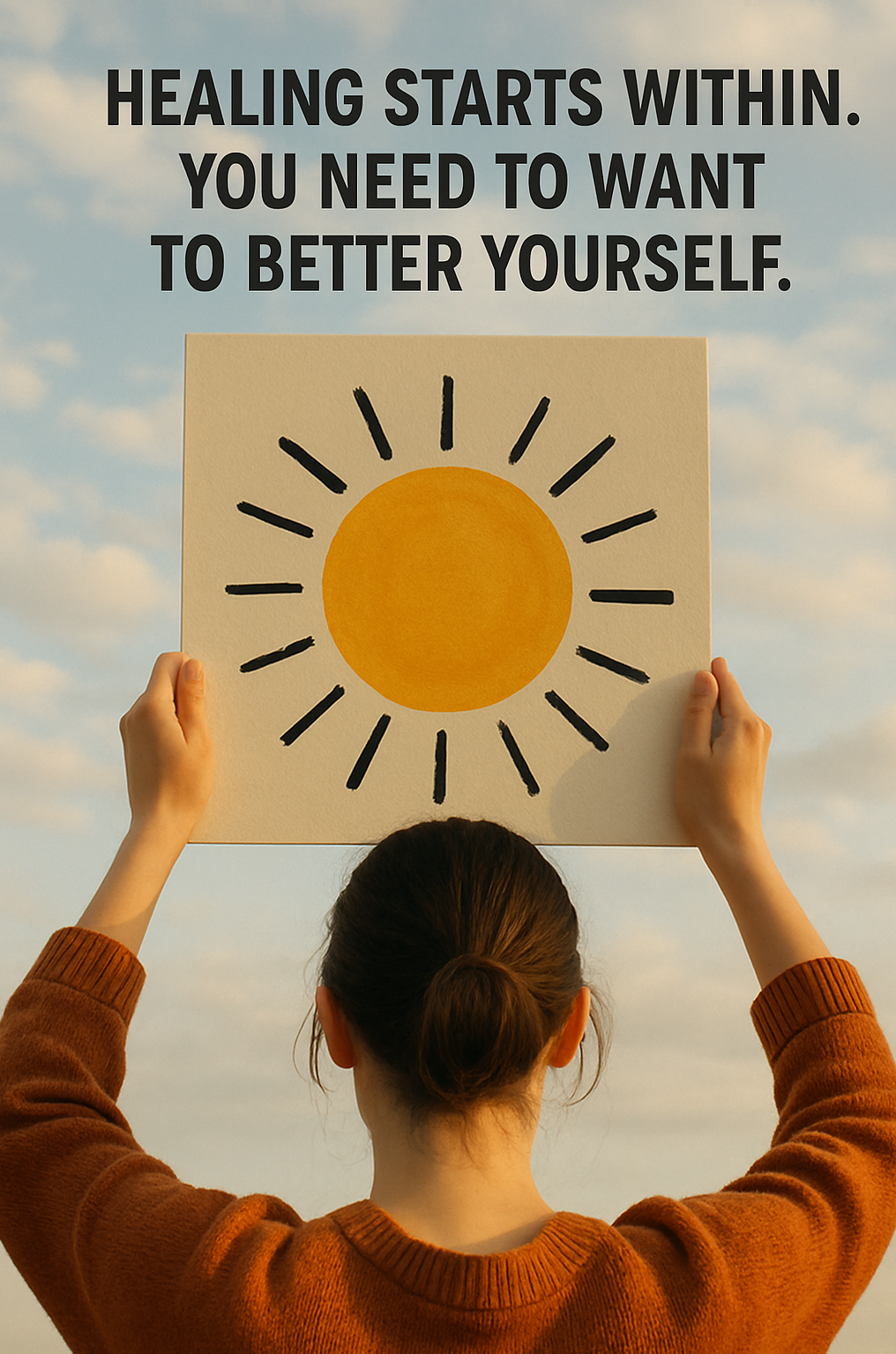
💔 Emotional Health
Learning to Love Myself Again
This might be the hardest section for me to write because it’s real.
Losing weight, exercising, and eating right are visible things you can track and measure. But rebuilding emotionally? That’s where the real work begins.
For a long time, I looked in the mirror and didn’t see potential — I saw failure. I saw every poor choice, every setback, every time I gave up on myself reflected back in the form of obesity. It’s hard to love yourself when the person staring back feels like a reminder of everything you’re not proud of. Every failure looking directly back at you.
But the truth is, you can’t rebuild what you don’t love.
If you don’t learn to value yourself, every diet, every workout, every “new start” eventually collapses under the weight of self-doubt and shame.
This section is about learning to love myself again.
Not the version I wish I was, but the version I am — the one who’s still here, still trying, still rebuilding. It’s about forgiveness, self-acceptance, and finding peace in the middle of change.
If you’re reading this and it feels familiar, know this:
You’re not alone.
You’re not broken.
And it’s never too late to start treating yourself like someone worth rebuilding.

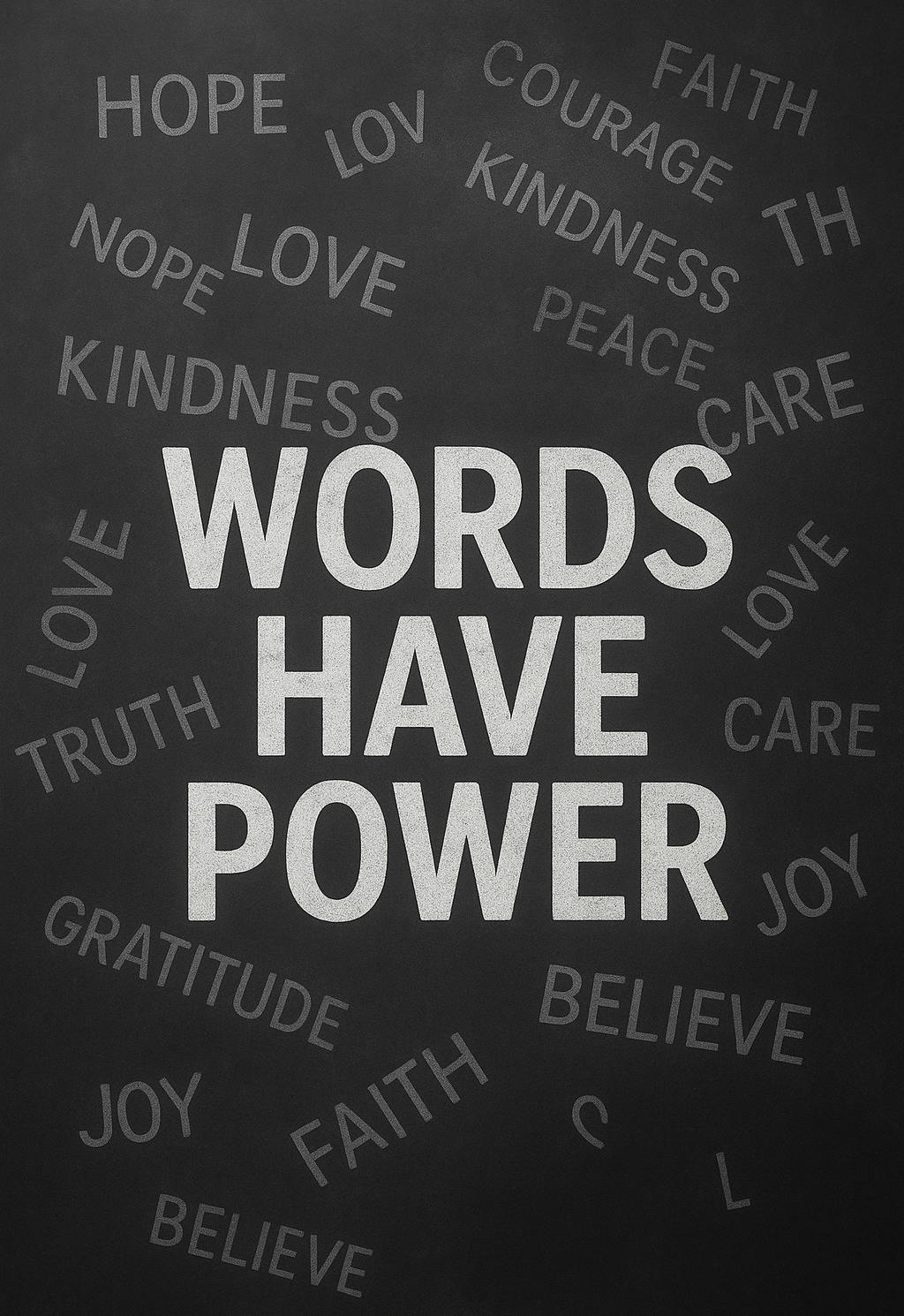
The Power of Words
Words carry real power, something I had to learn the hard way. The words you speak over yourself matter. Without realizing it, you can speak success into your life or failure. One word I learned to avoid long ago is “try.” It’s a cop-out word. When you say you’ll “try,” you’ve already accepted defeat and are just waiting for the failing outcome.
Quoting Master Yoda "Do or Do Not, there is no Try"
The words you speak really matter. There can be real magic in words, as you can speak words over yourself of what you want to become. This is in the words of affirmation.
The Power of Affirmation
Affirmations are more than just positive statements, they are intentional declarations that shape your mindset and influence your reality. When you speak affirmations over yourself, you’re programming your subconscious to believe and act on those words.
Why it matters:
- Words create belief. Repeating affirmations reinforces confidence and rewires negative thought patterns.
- Belief drives action. When you believe in your ability, you take steps that align with success.
- Action shapes outcomes. Over time, those small, consistent actions lead to transformation.
Example:
Instead of saying, “I’ll try to be disciplined,” say, “I am disciplined and focused.” The first phrase leaves room for failure; the second declares identity and strength.
Science behind it:
Affirmations activate the brain’s reward system and reduce stress by shifting focus from fear to possibility. They help build resilience and emotional health.
Start with Sleep
When I was feeling down and depressed, my sleep schedule was completely out of balance. I couldn’t sleep at night, even with melatonin and ended up taking short “cat naps” throughout the day. The only way I could get a full night’s rest was by doing intense physical labor and timing my exhaustion to hit at night. Eventually, that helped me return to a normal sleep pattern. But then came the next challenge: sleeping too much or too little. I had to start setting alarms to keep my sleep at a consistent eight hours.
Why 8 Hours of Sleep Matters
Sleep is as essential to your health as food and water. Research shows that around eight hours of quality sleep per night is the sweet spot for most adults it’s enough to allow your body to complete all necessary sleep cycles without the risks associated with oversleeping or sleep deprivation.
Why not less?
Sleeping fewer than 7 hours regularly can lead to:
- Impaired cognitive function and memory
- Increased risk of obesity, diabetes, and heart disease
- Weakened immune system and higher susceptibility to illness
- Mood disorders like anxiety and depression
Why not more?
Oversleeping (consistently more than 9 hours) is linked to:
- Higher inflammation levels
- Increased risk of cardiovascular problems
- Fatigue and reduced productivity
Benefits of 8 Hours of Sleep:
- Brain Performance: Improves focus, decision-making, and emotional regulation
- Hormone Balance: Regulates hunger hormones, supporting weight management
- Heart Health: Lowers blood pressure and reduces stroke risk
- Immune Strength: Helps fight infections and speeds recovery
- Skin & Recovery: Promotes tissue repair and collagen production—true “beauty sleep”
- Promotes Weight Loss
- Sleep regulates ghrelin (hunger hormone) and leptin (satiety hormone). When you’re sleep-deprived, ghrelin goes up and leptin goes down, making you hungrier and less satisfied after eating.
- Lack of sleep dulls the brain’s decision-making and impulse control, making you more likely to crave high-carb, high-fat snacks and eat larger portions. Well-rested people tend to make healthier choices.
- tudies show that people who increase their sleep to about 8–8.5 hours naturally consume ~270 fewer calories per day, even without changing diet or exercise. Over time, this could translate to ~26 pounds of weight loss in 3 years.
- Sleep deprivation raises cortisol (stress hormone), which signals your body to store fat. It also reduces insulin sensitivity, making fat loss harder. In one study, dieters who slept less lost 55% less fat compared to those who slept enough.
- Consistent sleep improves energy and mood, making it easier to stick to workouts and healthy eating habits
Value of the Moment
We rarely appreciate the true value of a moment, usually only after it’s passed and we’re looking back. Sometimes we reflect with regret on what we missed, or notice the day slipping away and lose track of time.
Dr. Seuss said it best: “Sometimes you will never know the value of a moment until it becomes a memory.”
The practice of being present, often called mindfulness, has a profound impact on emotional, mental, and even physical well-being. It’s about bringing life into each moment and striving to be better.
This is something I struggle with constantly, but I’m working on it. Here are a few key points I’ve pulled together:
- Focusing on the present helps break cycles of worry about the past or future, lowering stress hormones and calming the mind.
- When you’re present, you notice emotions as they arise, which makes it easier to respond thoughtfully instead of reacting impulsively.
- Being fully engaged in conversations and interactions builds trust, empathy, and deeper connections with others.
- Mindfulness sharpens focus and concentration, helping you make better decisions and avoid distractions.
- Living in the moment allows you to appreciate small details and experiences, fostering a sense of contentment.
- Mindfulness practices like deep breathing can lower blood pressure, improve sleep, and reduce symptoms of chronic stress.
Connections
The value of real, meaningful connections with people is immense for emotional, mental, and even physical well-being. But ask yourself: when you’re out in the world, are you looking up and engaging, or staring down at your phone, ignoring everything around you?
For years, I used my phone as a crutch to avoid people. I avoided eye contact. If someone interrupted me, I’d respond rudely just to keep them away. It became a habit, and honestly, society seems to be moving in the same direction. We’ve forgotten the basics: a simple smile when passing someone, holding a door open not because you have to, but just to be kind.
Recently, I went out to eat with family and saw a table of eight young people boys and girls. Every single one was glued to their phone, texting back and forth. The silence was occasionally broken by giggles, but all the flirting happened through screens, not across the table. No eye contact. No playful smiles. No real human interaction. Everything was electronic.
It broke my heart because they’re missing out on something essential: genuine human connection.
Don’t get me wrong I love digital tools. I use them every day, and when I travel, they’re perfect for staying connected. But when you’re sitting across from someone, nothing should replace real conversation.
Breaking the Cycle through Service
How you treat yourself; it's deeply reflected in how you treat others
Emotional health isn't just about how you treat yourself; it's deeply reflected in how you treat others. One of the hardest lessons I’ve learned is that when I focus only on myself, I lose sight of others and in doing so, I lose sight of the world around me.
This is a trap. When you become overly focused on yourself, it can lead to selfishness, immaturity, and a growing sense that the world owes you something. That mindset often causes you to treat others poorly sometimes without even realizing it. Over time, the isolation you feel becomes real, not because people abandoned you, but because you’ve unintentionally pushed away those who genuinely cared and wanted to help.
As you place yourself at the center of your universe, you risk becoming its only inhabitant. And that kind of loneliness can be hard to escape.
So, when you're working on loving yourself, remember to include others in that journey. Surround yourself with family and friends who genuinely care about you and have your best interests at heart. True self-love grows stronger when it's shared.
There’s a powerful, often overlooked key to emotional healing: To truly begin healing from deep emotional pain, one of the most effective paths is through serving others. Not for recognition, reward, or personal gain but simply to meet a need that someone else cannot meet on their own.
Service doesn’t have to be grand. It can be as simple as mowing your neighbor’s lawn, picking up litter along your street, or volunteering at your local city center, school, or church. These small acts of kindness carry immense power.
When you serve others selflessly, something shifts inside. You begin to release some of the emotional weight you’ve been carrying. You reconnect with the world around you, and in doing so, you start to let go of those weights holding you down, you start to heal.
Your emotional well-being is reflected in how you treat those around you.